Donut: A Sweet and Simple Color Font for Creative Projects
There's a particular kind of joy in finding a design asset that feels both playful and polished. Donut is exactly that—a premium font that brings a burst of cheerful, colorful personality to any project it touches. It’s not just another typeface; it’s a creative font with built-in character, designed to save you time and inject a dose of sweetness into your work. If you've ever struggled with layering colors or adding that perfect hand-painted feel to a design, Donut offers a straightforward, delightful solution.
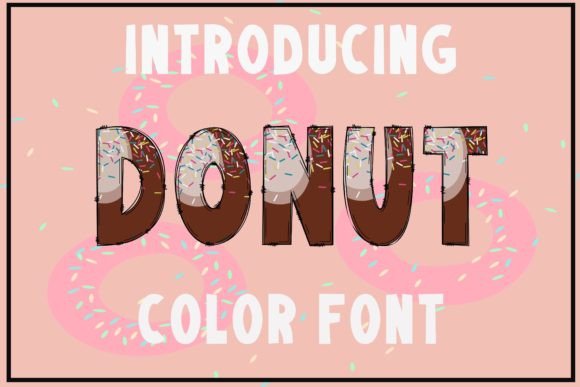
At its core, Donut is a display font with a friendly, rounded aesthetic. Each letterform is crafted to look as if it were piped with icing, complete with a soft, textured fill and a subtle, darker outline that gives it a tangible, almost 3D quality. This isn't a flat, single-color typeface. As an Opentype-SVG color font, it arrives with its vibrant, multi-color appearance ready to go. The overall vibe is one of approachable whimsy—it’s cute without being childish, simple without being boring. It strikes a balance that makes it incredibly versatile for a wide range of audiences and applications.
Where Donut Truly Shines: Practical Applications
Understanding where a font like Donut excels is key to using it effectively. Its inherent sweetness makes it a natural fit for projects targeting families, children, or anyone with a love for all things cute and nostalgic. Think book titles for a children’s series, poster designs for a local bakery’s grand opening, or cartoon-related designs for a YouTube channel thumbnail. The font immediately communicates a sense of fun and approachability.
For entrepreneurs and small business owners, Donut can be a powerful tool in brand identity when used strategically. It’s perfect for a cupcake shop, a toy store, a party supply company, or a creative workshop. Imagine it on a logo, business cards, or packaging—it tells customers your brand is friendly, creative, and doesn’t take itself too seriously. In marketing, it’s ideal for social media graphics, promotional flyers, and email headers where you need to grab attention with a positive, energetic message. The font does a lot of the heavy lifting in conveying mood, which is a huge asset for time-pressed creators.
Beyond commercial use, Donut is a dream for personal crafts and hobby projects. It’s a fantastic choice for scrapbooking, custom party invitations, DIY labels for homemade goods, or personalized tote bags. Because it’s a color font, it eliminates the guesswork of color matching and layering, making the design process more intuitive and fun, especially for those using platforms like Silhouette Studio or Inkscape.
Design Considerations and Smart Pairings
While Donut is a standout creative font, successful design is about context and contrast. Its strength lies in headlines, titles, and short bursts of text. Using it for long paragraphs of body copy would quickly become overwhelming and compromise readability. The general rule for any display font applies here: use it for impact, not for information density.
This is where thoughtful font pairing becomes essential. To create a balanced and professional visual hierarchy, pair Donut with a clean, neutral companion. A simple sans serif font like Montserrat, Open Sans, or Lato works beautifully for body text, providing a calm, readable foundation that lets Donut’s personality pop. Alternatively, a straightforward serif font like Lora or Merriweather can add a touch of classic elegance to complement the playful headline. The key is to choose a partner that doesn’t compete for attention but instead supports the overall message.
Before committing to Donut for a project, always test it at the intended size. While it’s designed for clarity, its textured, multi-color nature means it can lose some detail at very small sizes. For web design, ensure it renders well across different browsers and devices. For print, a test print is invaluable to see how the colors reproduce. Remember, this specific product is an Opentype-SVG font, so compatibility is crucial. It works seamlessly in PhotoShop, Illustrator, Silhouette, and Inkscape. However, it’s important to note that the OTF/TTF files are not compatible with Cricut machines. For crafters using Cricut, this is a critical detail to check upfront to avoid frustration later. For a deeper dive into using color fonts, our Ultimate Font Guide is an excellent resource.
A Note on Licensing and Final Thoughts
As with any commercial font, reviewing the licensing terms is a non-negotiable step. Donut is a premium font, and its license will outline permitted uses for both personal and commercial projects. Whether you’re creating a one-off poster for a community event or designing a full suite of packaging design for a product line, understanding the license ensures you’re using the asset correctly and professionally.
Ultimately, Donut is more than just a set of letters. It’s a design asset that carries a specific emotional tone. It can make a brand feel more approachable, a social media post more engaging, and a personal project more heartfelt. Its value lies in its ability to instantly communicate warmth and creativity. By using it thoughtfully—pairing it wisely, respecting its best-use scenarios, and ensuring technical compatibility—you can leverage this charming typeface to create work that truly connects with your audience. It’s a sweet addition to any designer’s toolkit, offering a quick way to add personality and polish.